


At the outset, Vladimir Putin acknowledged the positive progress on several regional healthcare initiatives and suggested beginning with this topic.
Kazbek Kokov confirmed that the primary healthcare modernisation programme is yielding strong results. Key indicators include population growth, with a birth rate of 11.2 per 1,000 people, and a life expectancy that reached 77.02 years in 2024, exceeding the Russian Federation’s target for 2030. There has been a decline in mortality from neoplasms. The provision of high-tech medical care for circulatory and cardiovascular diseases reached 1,935 in 2024 – a figure that has nearly doubled over the past three to four years, contributing to a reduction in mortality from these causes. Furthermore, over 340,000 adults, or almost 70 percent of the population, have undergone preventive medical examinations. The citizen satisfaction rate with medical care stands at 64.5 percent.
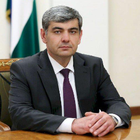
Regarding broader socioeconomic progress, the Head of the Republic reported that gross regional product (GRP) is 328 billion rubles, while fixed capital investment reached 79.3 billion rubles, marking a 110 percent increase. The industrial production index for 2024 was 121 percent, and agricultural output is growing at 106–108 percent. Housing construction last year totalled 611,000 square metres, an increase of nearly 110 percent. Road construction is advancing rapidly, with 1,180 kilometres of roads built or repaired since 2019. Work on 100 kilometres of roads and the construction or reconstruction of 14 bridges and other infrastructure is scheduled for completion in 2025.
Kazbek Kokov highlighted significant growth in tourism. Last year, the republic welcomed 1.8 million tourists, a 116 percent increase year-on-year. In the first nine months of this year, the number of tourists visiting the republic has reached 1.5 million, a five percent increase over the same period last year. During the upcoming peak ski season, approximately 470,000 visitors are expected in the Elbrus region alone.
The Head of Kabardino-Balkaria also cited positive trends in real incomes. The 2024 per capita income of 45,443 rubles exceeds the North Caucasus Federal District average of 40,600 rubles. This growth is driven by unprecedented support measures for families with children. Concurrently, the poverty rate has more than halved since 2018, dropping from 24.9 percent to 11.7 percent, with a projected rate of just over ten percent for 2025. The unemployment rate has also halved, now standing at 0.5 percent.
On fiscal matters, Kazbek Kokov reported that the 2024 budget revenue amounted to 70.6 billion rubles, with regional revenue showing strong growth at 21.1 billion rubles – a trend that has continued into the current year. The region’s public debt is currently 6.5 billion rubles, or 27 percent of the region’s revenue. This includes 2.5 billion rubles in new borrowings under the Infrastructure Menu federal support programme, which he stated are directed specifically at addressing social issues in the housing and utilities sector. He emphasised that the republic has not utilised commercial borrowing for five years.
Following this report, Vladimir Putin suggested moving on to specific issues the Governor wanted to discuss separately.